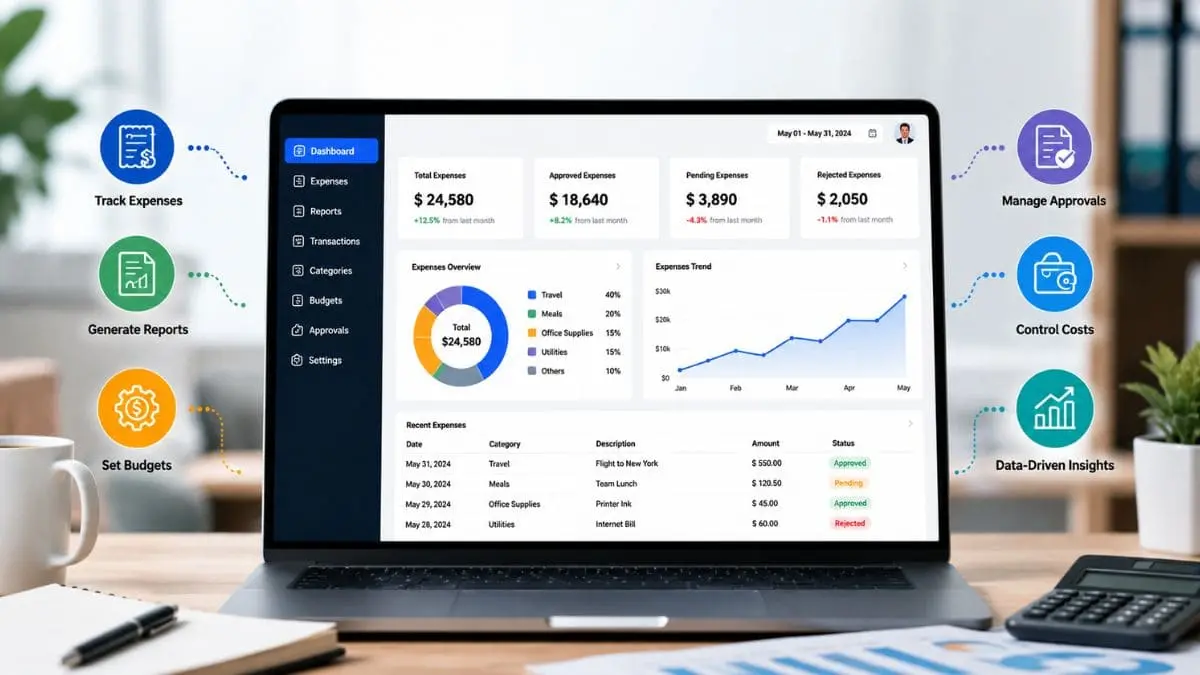
Inventory management software tools have become a popular source for businesses to track, manage, and optimize inventory levels. They help organisations gain real-time visibility into stock movements, enabling them to monitor products from procurement to sale. Whether you are a manager looking to operate a retail store, warehouse, manufacturing facility, distribution company, or e-commerce business, inventory management software could be the right solution!
This guide covers inventory management software. Do you know about inventory management? Read this blog to learn about inventory management as we explain inventory management software, its functions, benefits, and features.
Inventory Management Software Explained
Inventory management software is a computerized program that helps organizations track, manage, and optimize inventory levels. These tools provide real-time visibility into stock movements, helping businesses monitor products from procurement to sale. They also allow companies to manage warehouse operations, track inventory quantities, generate reports, monitor stock movements, automate reordering processes, and reduce inventory-related errors.
Modern inventory tools often integrate with other current tools such as e-commerce platforms, accounting software, enterprise resource planning (ERP) systems, and point-of-sale (POS) solutions.
Why Is Inventory Management Important?
Without the right inventory management, businesses can create significant operational challenges. Common problems include stockouts, overstocking, lost sales opportunities, increased storage costs, inaccurate inventory records, and delayed order fulfillment. The right inventory management software assists businesses in avoiding these issues by providing accurate and up-to-date inventory information.
Core Functions of Inventory Management Software
Inventory management software offers many core functions that help organizations streamline operations. Here’s a breakdown of the important core functions of inventory management software.

Inventory Tracking
It is one of the primary functions that monitors stock levels in real time. By using these tools, organizations can track available inventory, incoming stock, reserved inventory, returned products, and damaged goods. This function offers benefits, including better stock visibility, faster decision-making, and reduced inventory errors.
Stock Control and Optimization
These tools also help organizations maintain optimal stock levels by analyzing inventory usage patterns. They can prevent overstocking, identify slow-moving products, reduce stock shortages, and optimize inventory turnover.
Automated Reordering
These platforms automatically generate purchase orders when stock levels reach predefined thresholds, making them ideal for businesses of all sizes. This function offers many advantages, such as preventing stockouts, reducing manual workload, ensuring product availability, and improving purchasing efficiency.
Warehouse Management
Inventory management software platforms focus on warehouse management that helps organizations access storage location tracking, bin management, picking and packing workflows, and inventory transfers. These functions improve warehouse efficiency and order accuracy.
Barcode and RFID Integration
Modern inventory systems support barcode scanning and RFID technology. This also offers benefits, including:
Faster inventory counting
Improved accuracy
Reduced manual entry
Real-time stock updates
Barcode and RFID systems help streamline inventory operations while minimizing human errors.
Order Management
Order management is a core function of inventory management software that frequently integrates with sales and purchasing processes. Professionals can track customer orders, manage shipments, monitor order status, and process returns, improving customer satisfaction and operational efficiency.
Reporting and Analytics
They offer advanced reporting tools that provide valuable business insights. Users can get reports that commonly include inventory valuation, sales trends, demand forecasting, stock movement history, and product performance. These analytics support data-driven inventory decisions.
Key Features of Inventory Management Software
When selecting inventory software, consider looking for the following features.
Real-Time Inventory Updates
This feature allows users to get instant stock updates, helping maintain accurate inventory records across multiple locations.
Multi-Location Inventory Management
Organizations can track inventory across warehouses, retail stores, distribution centers, and online fulfillment locations.
Inventory Forecasting
Forecasting tools help predict future inventory needs based on historical data and market trends.
Supplier Management
Supplier management features allow businesses to monitor vendor performance and purchase orders.
Mobile Accessibility
Mobile apps enable users to scan inventory, monitor stock levels, approve purchase orders, and access reports remotely.
Integration Capabilities
Integration with other business systems improves efficiency and data consistency. Common integrations include accounting software, ERP systems, E-commerce platforms, POS systems, and shipping providers.
Benefits of Inventory Management Software
By implementing inventory software, organizations can get numerous advantages.
Improve Inventory Accuracy
Inventory management tools focus on automated tracking that reduces errors associated with manual inventory management.
Reduce Operating Costs
Better inventory control helps minimize excess inventory, storage expenses, and product obsolescence.
Increase Productivity
Employees spend less time managing inventory manually and more time focusing on strategic activities.
Better Customer Satisfaction
Accurate inventory information improves order fulfillment and product availability.
Enhance Decision-Making
Real-time data and reporting provide valuable insights into inventory performance.
Common Industries That Use Inventory Management Software
Inventory management tools are widely used across various industries.
Retail
Retailers use inventory systems to manage stock across stores and online channels.
E-Commerce
Online businesses rely on inventory software to synchronize stock levels and fulfill orders efficiently.
Manufacturing
Manufacturers use inventory management to track raw materials, components, and finished goods.
Healthcare
Hospitals and healthcare providers manage medical supplies and pharmaceuticals through inventory systems.
Wholesale and Distribution
Distributors use inventory software to manage large product volumes and complex supply chains.
How to Choose the Right Inventory Management Software?
Choosing the right one can be daunting with so many inventory management tools available on the market. Before selecting a solution, businesses should evaluate:
Business Size
Start by checking your business size. Choose software that can support both current needs and future growth.
Industry Requirements
Understand industry requirements before choosing one. Different industries have unique inventory management challenges and compliance requirements.
Ease of Use
User-friendly systems improve adoption and reduce training costs.
Integration Support
Ensure compatibility with existing business applications.
Compare Budget
Before choosing one, consider checking some aspects, including:
Licensing costs
Implementation expenses
Support fees
Future scalability
Conclusion
Inventory management software tools have become an essential tool for businesses seeking greater efficiency, accuracy, and control over their stock operations. From real-time inventory tracking and automated reordering to warehouse management and predictive analytics, these solutions help organizations streamline processes and reduce operational costs. Whether you are a professional looking to maintain smooth operations or streamline operations in a single place, inventory management software could be the perfect option for you!
This is an example of inventory management solutions. To learn more about it, make a search today.