Food processing machines optimize food preparation, handling, and preservation, such as cleaning, cutting, mixing, and cooking. These machines are automated, semi-automatic, or manual equipment that are crucial for improving efficiency, hygiene, and consistency in factories, bakeries, and commercial kitchens. Mixers, slicers, grinders, dehydrators, and packaging systems are key types of food processing machines.
This article shares valuable information about food processing machines, including their definition, types, applications, and more.
Food Processing Machines Explained
Food processing machines are mechanical or electrical devices designed to optimize food preparation, handling, and preservation, such as cleaning, mixing, cutting, and cooking. These machines are indispensable for ensuring consistent quality, increased output, and food safety. They are essential for food processing operations, whether it comes to a bakery, a beverage company, or a packaged food manufacturer.
Modern food manufacturing machines come in various specifications and all sizes. Automated, semi-automated, and manual machines are designed to perform specific tasks in the food production process. These machines improve hygiene, lower operational costs, and reduce human intervention, making them an excellent choice for companies across the food industry.
Types of Food Processing Machines
Below are the most common types of food processing machines.
Automatic Food Machines
Automatic food machines are popular types of food processing machines. These machines suit tasks like slicing, dicing, cooking, and packaging without needing of human. They also integrate with timers, software, and sensors that automate entire food processing cycles, leading to reduced manual labor and enhanced consistency and productivity.
Commercial Food Processing Equipment
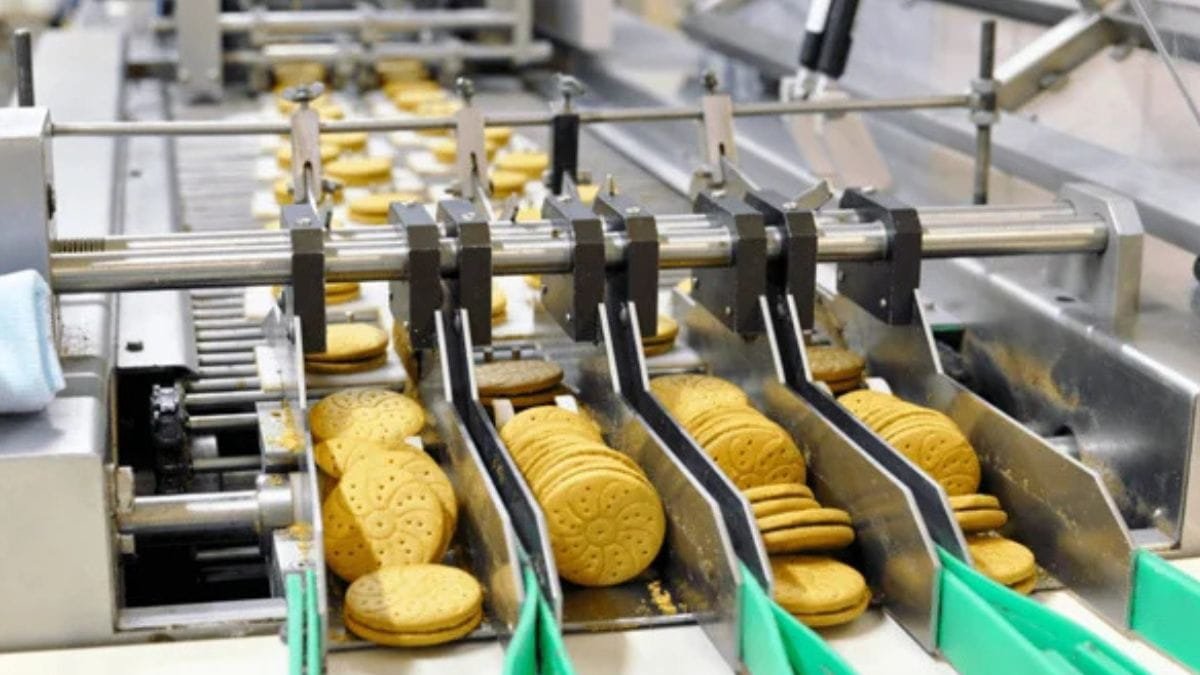
Commercial food processing machines are types of food processing machines designed to manage large-scale operations such as central kitchens, food factories, and industrial production lines. These machines are typically built for bulk processing, high-speed operations, and durability, handling all tasks like grinding meat, filling jars, and sealing packages.
Food Manufacturing Machines
Food manufacturing machines are specialized equipment built for producing specific food products like noodles, bread, confectionery, dairy, or canned foods. These machines typically optimize efficiency for particular processes and recipes. In addition, they are often customized based on item specifications.
Benefits of Using Food Processing Machines
The most common benefits of using food processing machines include:
- Food processing equipment maintains flavor, texture, and presentation across your product lines by ensuring each batch or unit is processed the same way every time. This leads to enhanced product quality and consistency.
- Companies can replace manual tasks with automated systems to reduce labor costs, speed up production times, and reallocate human resources to areas where decision-making or quality control is required. This also leads to time and labor efficiency.
- These machines are known for working with precise cutting, portioning, and measurement, reducing raw material wastage.
- Modern food processing machines reduce the chances of contamination because they minimize human contact with ingredients and finished products.
Key Features of Food Processing Machines
Check out below to learn about key features of food processing machines.
High Efficiency and Throughput
Food processing machines can handle large quantities of ingredients or finished products with remarkable speed. This ensures that food manufacturing companies can meet market demands consistently.
Automated Controls and Sensors
Food processing equipment comes with automated controls and sensors like digital interfaces, programmable logic controllers (PLCs), and sensor-based monitoring systems that ensure the food processing machine operates within optimal conditions. This reduces waste and enhances safety.
Modular and Scalable Designs
These machines are modular and come in scalable designs. This means these machines integrate with other units in a production line or expand to support increased production. This makes them a top choice for companies that expect large-scale operations in the future.
Applications of Food Processing Machines
Many applications use food processing equipment in a wide range. Below are the most common applications that use food processing machines.
Bakery and Confectionery
Bakery and confectionery are the top applications that use food processing machines in a wide range. They use dough mixers, sheeters, ovens, and enrobers to prepare baked goods, chocolates, and other sweets.
Dairy Industry
The dairy industry also uses food processing equipment to process milk, yogurt, cheese, and butter efficiently. Pasteurizers, homogenizers, and filling machines are used in the dairy industry to process milk, cheese, yogurt, and butter because maintaining strict hygiene standards and temperature controls is needed there.
Meat and Seafood Processing
Meat and seafood processing is also an application of food processing equipment. This industry uses food processing equipment like cutting, deboning, mincing, and packaging machines to increase yield, ensure hygiene, and enhance handling of raw and cooked meat products.
Ready-to-Eat Meals and Packaged Foods
This is another application of food processing equipment. They use automatic machines to portion, cook, seal, and label prepared meals, soups, sauces, and frozen foods. This supports the fast growing convince food segment.
Beverage Production
Beverage production is an application of food processing equipment. The beverage production industry uses such food processing machines – mixers, carbonators, and bottling lines – to produce soft drinks, juices, and alcoholic beverages, with high-speed filling and labeling systems.
Top Companies in Food Processing Machine Manufacturing
Here are the top companies in food processing equipment manufacturing.
GEA Group
One of the most popular companies in food processing equipment manufacturing is the GEA Group. It is recognized for innovative technologies in meat, dairy, and beverage production, making it a top choice for many companies.
Tetra Pak
It is another company in the food processing machines manufacturing is Tetra Pak. The company also specializes in providing processing and packaging solutions for dairy and liquid foods.
Marel
Marel is a food processing equipment provider that is known for offering automated processing machines for the meat, poultry, and fish industries.
Bühler
It is also a manufacturer of food processing equipment. It offers grains, pasta, chocolate, and flour milling machines.
Conclusion:
Food processing machines have become necessary equipment in the modern food industry. As technology continues to advance, food processing equipment has become increasingly popular for food production companies to scale or optimize their production. Many food processing companies use food processing equipment for long-term success and competitiveness.