In today’s digital age, e-commerce SEO plays a crucial role in building a strong presence for e-commerce success. SEO, sometimes called Search Engine Optimization, is an excellent method to achieve your products’ rank higher in search engine results pages (SERPs). Would you like to know about e-commerce SEO? Explore this article to learn about e-commerce SEO.
This simple guide explores information on e-commerce SEO, highlighting its key strategies and tactics to attract more organic traffic to an individual’s online store and ultimately increase sales.
Understanding E-Commerce SEO
Before delving into e-commerce SEO, it’s essential to learn about it. Here’s clear information about e-commerce SEO. Let’s examine the clear definition of e-commerce SEO.
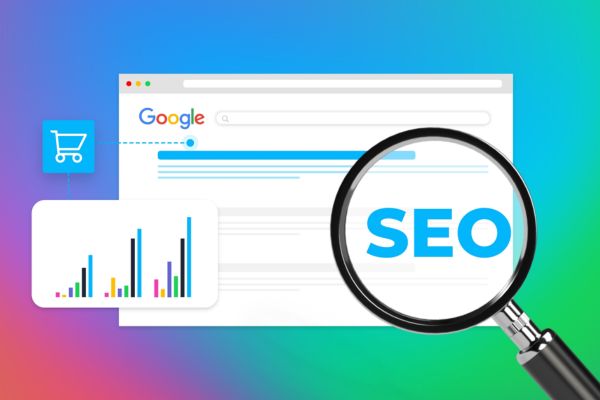
E-commerce SEO is an excellent approach to optimizing an individual’s online store to rank higher in search engine results pages (SERPs) for relevant keywords. This approach involves a combination of technical SEO and on-page & off-page optimization to improve your website’s visibility and drive more organic traffic from potential customers who are actively searching for products like yours.
Several businesses use e-commerce SEO to improve their online presence and attract more organic traffic from potential customers for relevant keywords. In contrast to traditional SEO, this approach emphasizes the specific challenges and opportunities associated with online retail, such as optimizing product pages, category pages, and shopping-related keywords.
Types of E-Commerce SEO
There are three types of e-commerce SEO, including On-page optimization, Off-page optimization, and technical SEO. Here’s a complete explanation of the types of e-commerce SEO.
On-Page Optimization
On-page optimization is the main type of e-commerce SEO. This involves optimizing the content and structure of your website to make it more search engine-friendly. Optimizing product titles, descriptions, meta tags, and alt text of images with relevant keywords is included in on-page optimization. In addition, this involves high-quality content that attracts customers and helps them make informed purchasing decisions. Ensuring your site is user-friendly and has a fast loading speed that comes under in On-page SEO.
Off-Page Optimization
Off-page optimization is the second type of e-commerce SEO. This approach involves building your website’s authority and reputation by using external signals, like backlinks from other reputable websites. Backlinks are important in Off-page optimization, helping your website drive more traffic for relevant keywords. Social media marketing, influencer outreach, and online reputation management are other off-page strategies.
Technical SEO
Technical SEO is a third type of e-commerce SEO. This involves optimizing the technical aspects of your website to make it easier for search engines to crawl and index your website content. This involves ensuring your website has a clear and logical site structure. Creating a sitemap and optimizing your robots.txt file are other strategies of technical SEO. Besides this, this approach also addresses any technical issues that affect your website’s performance, such as duplicate content, broken links, and slow loading speeds.
Key Features of Effective E-commerce SEO
Here are features of effective e-commerce SEO.
Keyword Research
Effective e-commerce SEO can help your website research keywords to drive more traffic for your relevant keywords. This feature also enables you to gain more traffic to your website by using keyword research tools to identify the keywords that your target audience is using to search for products like yours. In addition, using long-tail keywords can lead to gaining more traffic to your website.
Mobile-Friendly Design
Mobile-friendly design can lead to gaining more customers for your products listed on your website. Ensure that your website design is mobile-friendly. This means having a responsive design of your website can gain more traffic to your website.
Product Page Optimization
E-commerce SEO can optimize your product pages to convert visitors into customers. Writing compelling product descriptions, using high-quality images, and including customer reviews are included in product-page optimization. In addition, optimizing product titles and Meta descriptions with relevant keywords can lead to improving your search engine rankings.
Benefits of E-Commerce SEO
When it comes to the benefits of e-commerce SEO, there are many advantages of e-commerce SEO.
Effective e-commerce SEO involves optimizing websites for search engines, leading to attracting more organic traffic from potential customers. This can help your business increase website traffic and sales.
E-commerce SEO helps your website attract more qualified traffic, which means users are more likely to be interested in your products and make a purchase, leading to higher conversion rates and increased revenue.
E-commerce SEO improves brand awareness, making it ideal for many businesses. By using effective e-commerce SEO, you can rank higher for your products’ keywords in search engine results, improving your brand awareness and credibility.
Most Recommended E-Commerce SEO Providers Globally
Here are the most popular e-commerce providers worldwide.
SEMrush
SEMrush is a global leader in providing e-commerce SEO solutions. This is a comprehensive SEO tool designed to provide numerous features, which include keyword research, competitive analysis, and site auditing. This is a popular choice for several e-commerce businesses of all levels.
Ahrefs
Ahrefs is a leading SEO tool globally. This complete SEO platform is known for its robust backlink analysis features. You can use this tool to identify and analyze your competitors’ backlinks and build your own backlink profile.
Moz
Moz is another great SEO tool used by several e-commerce businesses worldwide. This SEO tool offers a comprehensive range of features, including keyword research, rank tracking, and on-page optimization. You can use this platform to access a wealth of educational resources for SEO professionals.
In addition, there are many popular e-commerce SEO platforms worldwide.
Conclusion:
E-commerce SEO is an essential component of any successful online e-commerce business. You can improve our website’s visibility in search engine results pages, attract more organic traffic through long-tail keywords, and ultimately increase sales by implementing the strategies and tactics.
Remember that e-commerce SEO is an ongoing approach that requires more patience and persistence, but it can provide you with long-term benefits that are well worth the effort.
Sources:
Jobssimply write on education, business, jobs, and even more.