Despite fast movement and rapid destruction of buildings, fire remains among the deadliest natural disasters. Firefighting tools protect all areas by stopping fires from spreading and putting out flames safely. Modern firefighting tools support fire safety by letting people know about fires in advance and stopping them using advanced equipment.
Understanding Firefighting Equipment
Firefighting tools exist to perform three essential tasks of fire detection and management. These tools appear in use throughout both emergency fire services teams and regular citizens to protect from fire incidents.
Fire prevention strategies include reacting fast when fire alarms trigger while using suppression tools to protect the building. Each fire safety measure plays an essential role in preventing fires, which is why we need fire alarms together with firefighting equipment.
Various Firefighting Tools
Fire Alarms and Detection Systems
Fire alarms act as the strongest first response to danger from fires. These devices sense smoke, heat, and gas emissions, so they produce an alarm tone that lets people evacuate before the fire grows out of control.
Different fire alarm technologies exist, which include:
The devices monitor smoke in the air to notify users about dangerous levels.
Heat detectors start alarms when they sense sudden temperature rises.
Gas detection devices ensure fire outbreaks by detecting flammable gases to prevent fires.
Hydrants for Firefighting
Fire hydrants deliver continuous water supplies to stop fires efficiently. Fire services can set up high-pressure water hoses by connecting them directly to these systems at street and building locations.
Sprinkler Control
Fire sprinkler systems turn on automatically when they find heat parties. The fire suppression devices spray water directly onto the fire before professional fire emergency services arrive. These types of buildings, such as warehouses and apartment buildings, routinely use sprinkler control systems.
Fire Blankets
Fire blankets, constructed from materials that are resistant to flames, can be used to suffocate small fires by preventing them from getting oxygen. Kitchen fires and clothes fires are two areas where they really shine.
Fire Hydraulic Reels
A constant stream of water can be used to extinguish fires with the help of fire hose reels. They are widely deployed in buildings and industrial sites, allowing skilled individuals to control fires before emergency services arrive.
Breathing Apparatus
Firefighters use self-contained breathing apparatus (SCBA) to protect themselves from smoke, toxic gases, and lack of oxygen while entering burning buildings. These systems ensure that firefighters can perform rescues and extinguish fires safely.
Fireproof Clothing and Helmets
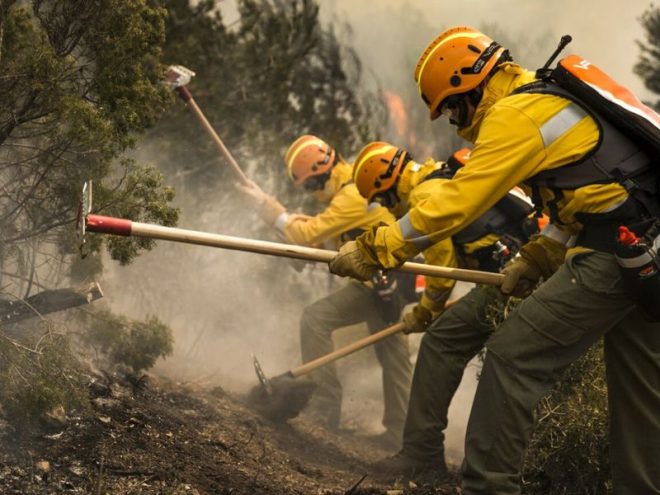
Firefighters wear specialized fire-resistant suits, gloves, and helmets to protect themselves from extreme heat and falling debris. These suits are built from materials like Nomex and Kevlar, which can endure extreme temperatures.
Emergency Exit Signs and Lighting
Emergency lighting and lighted exit signs assist people in finding their way out of a building safely in the event of a fire. These are vital in big buildings, theaters, offices, and subterranean parking lots.
The Advantages of Firefighting Gear
Early Fire Detection and Prevention
These days, smoke detectors and fire alarms can help catch small fires before they become catastrophic. Early warnings help individuals to leave safely and inform emergency responders immediately.
Protection of Life and Property
Firefighting gear aids in reducing casualties, property loss, and injuries. It is possible to prevent fires from spreading and causing significant damage by utilizing the appropriate fire suppression equipment.
Adherence to Fire Safety Standards
Governments and regulatory authorities implement fire safety rules to safeguard citizens. Buildings, factories, and public areas are required to include fire extinguishers, alarms, sprinkler systems, and emergency exits to meet safety laws.
Rapid Reaction to Urgent Situations
Having firefighting equipment readily available ensures a quick response to fire emergencies. Quick action can save the loss of life and property when it comes to fire extinguishers and hydrants, whether in a workplace or a neighborhood.
Reducing the Risk of Fire Spread
Fire suppression devices, such as sprinklers and fire blankets, assist in extinguishing flames before they develop out of control. Because of this, fires cannot spread as easily, protecting homes, warehouses, and high-rises from potential devastation.
Ensuring Firefighter Safety
Breathing apparatus, fire-resistant suits, and thermal imaging cameras are some of the modern firefighting equipment that help keep firefighters safe in dangerous situations.
How to Choose the Right Firefighting Equipment
Figure out the Dangers of Fire
Different settings demand different sorts of firefighting equipment. A commercial kitchen may need Class K fire extinguishers, while an office building may require smoke alarms and sprinklers.
Ensure Compliance with Safety Standards
It is imperative that you only purchase firefighting gear that is up to code. For reliability, check for certifications from organizations like UL (Underwriters Laboratories), NFPA (National Fire Protection Association), or ISO.
Scheduling and Checking for Regular Maintenance
Firefighting tools must be examined often to ensure they perform correctly. To make sure they are ready for emergencies, fire extinguishers should be filled, fire alarms should be tested, and hydrants should be checked.
Provide Education on Fire Prevention
Without proper training, no amount of firefighting gear will save lives. Making sure everyone understands what to do in a fire emergency is the goal of fire safety training and practice sessions.
Source:
Jobssimply write on education, business, jobs, and even more.